


I’ll be honest — there was a time when I thought I had this whole “health” thing nailed. I was stomping up a mountain before sunrise, grit in my teeth, leeches in unspeakable places, feeling like the queen of vitality.
Back then, all I needed was a decent pair of boots, a handful of scroggin, and the occasional deep breath. But somewhere between juggling kids, running Wild Women On Top, and earning a Masters in Lifestyle Medicine, the wellness world went completely rogue. Suddenly everyone had a miracle hack, a magic powder, or a shortcut to eternal youth. Just comment ‘VITALITY’ and they’ll send you a link.
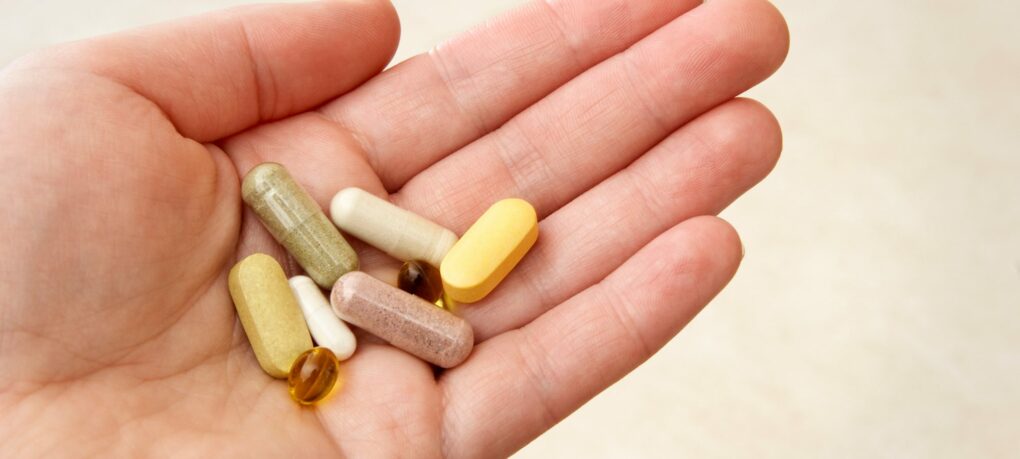
Over-the-top supplement regimes have become bragging rights for the wellness-obsessed and confusing for the rest of us. And because of this, many women I know are spending thousands of dollars on products that promise to improve everything from body image, skin, sleep and mental health to fertility, muscle mass and longevity.
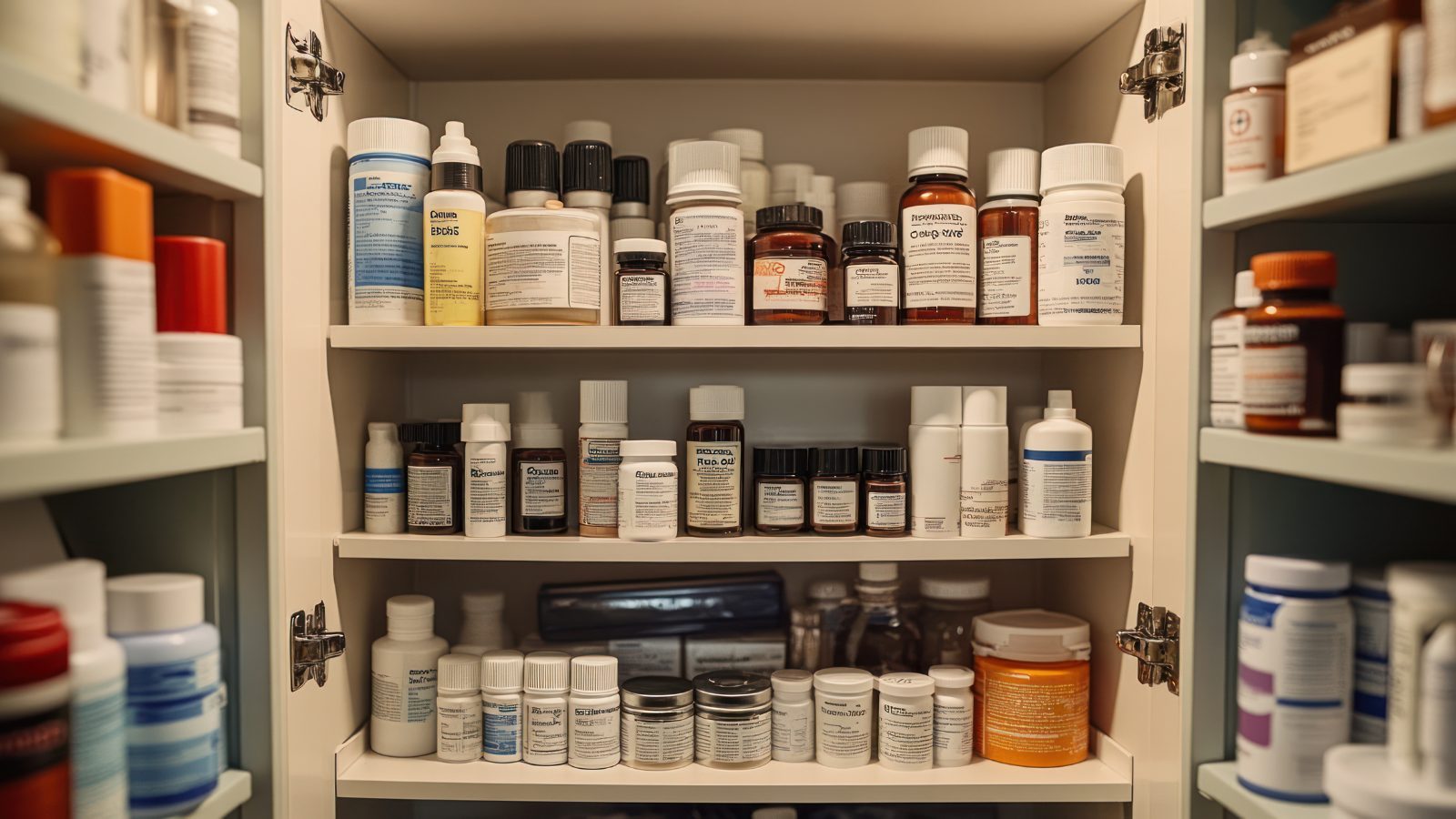
As this alarming and confusing new version of “health” emerges, many of us are being influenced into joining the latest wellness craze, hoping peptides, pills and potions will fix all of our problems. I’ve got mates microdosing on peptides, my daughter stirring collagen into her coffee, and my son inhaling fish oil. I myself have ended up with a cupboard full of bottles and tinctures in the quest for optimum health.
But good health isn’t something you can buy or band-aid.
Your body is a miracle, not a machine. Your health and vitality is built from a complex combination of genetics and environment, not shortcuts. And whilst there is a lot you can do to live younger longer, any drug, supplement or cream comes with potential risks that might not be accompanied by the promised rewards and might even cause harm.
Like processed foods and drugs, some of these supplements and peptides contain micro toxins, including lead, cadmium, mercury, aluminium, Dimethylformamide, methylene chloride, and/or N-Methyl-2-pyrrolidone (NMP) that, with prolonged use, could be a risk factor for hormonal disruption, cancer, kidney disease and/or bone disease.
Your marvellous body possesses a sophisticated, detoxification system which can eliminate many toxins through digestion and sweat, which is why we love hiking, but sometimes it reaches breaking point!
Anything produced in a lab is not without risk, especially if you’re using multiple products across multiple channels without knowing how they might interact and/or accumulate over time. Too much exposure can lead to chronic disease, ever so slowly and ever so silently.
So what does the research and practice say and what can we do about it? Let’s break it down.
Peptides:
Peptides are amino acids, which are the building blocks of protein. They tell cells to perform specific functions such as producing collagen, repairing tissue, regulating metabolism and producing hormones. A bit like a mum telling her kids to do stuff, they’re the boss chicks and they’re made by your miracle body.
In contrast, synthetic peptides, including weight loss and collagen drugs, are made in a lab from synthetic amino acids, chemicals and fillers that are designed to support or mimic your body’s own peptides.
GLP-1 peptides are the ones that control hunger. They’re made in the gut from our food, where they are exquisitely designed to regulate appetite, lower blood sugar and slow gastric emptying.
Your own natural peptides are fabulously safe, of course. Synthetic peptides might not be. The full extent of risks of peptides in women is yet to be determined, (most tests use male mice) which is why some are labelled, “not for human consumption,” and need a doctors script.
The best way to enhance your body’s natural peptide production is through diet, exercise, sunlight and sleep. Eat a diet high in fibre (especially fermentable fibre like oats and legumes), incorporate protein-rich foods, and consume healthy fats (olive oil, avocado).
Collagen:
A 2025 study published in the American Journal of Medicine says, “There is currently no clinical evidence to support the use of collagen supplements to prevent or treat skin aging.”
Save your money girls. The best way to enhance your body’s natural collagen production is through diet, exercise, sunlight and sleep. Yes, your skin needs the same things as your body. Eat a diet high in amino acids (glycine, proline) and Vitamin C, which includes foods such as home-made bone broth, chicken skin, sardines, fish (especially with skin), eggs, citrus fruits, leafy greens, berries, garlic, onion, nuts and seeds.
Creatine:
Multiple meta-studies indicate that creatine is linked to muscle, brain and hormonal health, and generally considered low risk. It is recommended by global health experts such as the International Society of Sports Nutrition and Dr Rhonda Patrick. However, I failed to find a single creatine research study that wasn’t directly or indirectly funded by the multi-million dollar creatine industry.
So, if that smells fishy to you, and you’re not having problems building muscle and maintaining your full cognitive functions, it’s best to increase creatine naturally. You do this by regularly consuming red meat (beef, lamb, pork, game meat), seafood (sardines, herring, salmon, tuna), pork and game meats, liver and kidney, chicken (especially thighs). Vegetarians need lots of pumpkin seeds, nuts (almonds, walnuts), lentils, chickpeas, soy products (tofu, tempeh), and organic dairy.
If you choose to supplement with creatine, make sure its 100% creatine monohydrate. Examine labels carefully.
Protein Powders:
Research indicates that protein powder supplementation may offer health benefits for some women, but only when combined with regular resistance training. However, some protein powders contain micro doses of toxic heavy metals (lead, arsenic, mercury, cadmium) and BPA, so beware.
The best natural way to increase protein intake for women who are having difficulty building or maintaining muscle, is by integrating whole, high-quality protein sources, such as meat, fish, chicken, eggs, cheese, natural Greek yogurt (check the labels because some Greek yogurt is low protein), legumes, nuts, tofu, tempeh and dairy at every single meal.
Iron:
Iron deficiency is the most common deficiency in the world for women, particularly from teenage to peri menopause years. When iron levels are low your body can’t function at its best and everything feels hard.
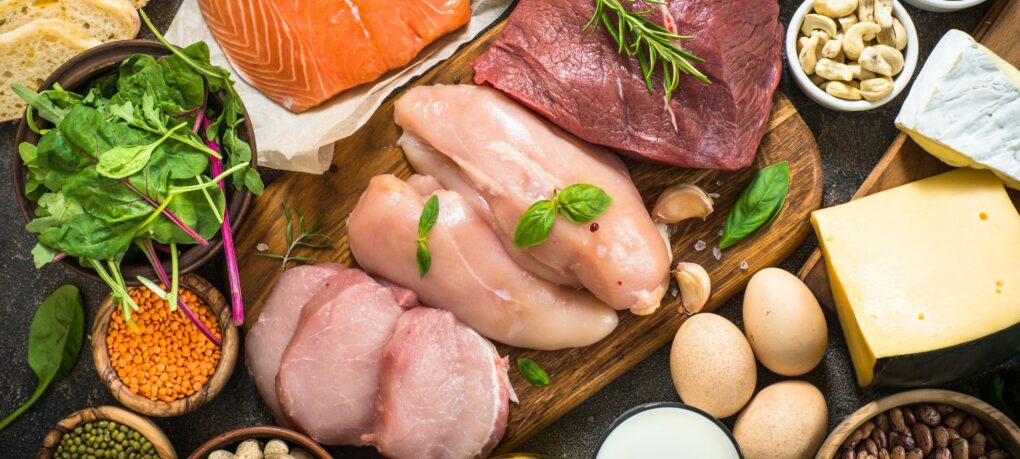
Increasing iron naturally requires eating iron-rich foods, boosting absorption, and avoiding inhibitors. You need to prioritize iron sources with high bioavailability such as liver, red meat (beef, lamb, venison), shellfish (clams, oysters, mussels), dark poultry meat and oily fish (sardines, tuna, salmon).
Vegetarians can use lentils, chickpeas, beans, dark leafy greens (spinach, kale), seeds (pumpkin, sesame) and tofu, but these have relatively low iron levels compared to animal sources.
Getting your body to absorb iron is a delicate operation. For maximum absorption, you need iron-rich foods and/or supplements to be eaten with vitamin C (kiwi fruit, citrus, bell peppers, broccoli, strawberries), and without tea, coffee, tannins and dairy for at least an hour. Using cast-iron cookware, sprouting or fermenting grains and legumes, and cooking greens can also help absorption.
Yes, it’s a project, but worth it to get your life back.
After a long battle with low ferritin levels myself, despite doing all of the above, I discovered biochemist Dr Libby Weaver’s new iron supplement, Iconic Iron, which doesn’t cause constipation and which actually works. If you think you might be low in iron, get your iron levels checked at the GP before starting a nutritional or supplement regime.
Vitamin D:
Vitamin D is a hormone which supports just about everything, including hormone production, immunity, muscle, bone, mood, energy and reproduction. Deficiency affects up to 36% of Australians, in winter more than summer.
Your body naturally makes Vitamin D from the sun. Leading internal medicine doctor, Dr Roger Seheult, recommends 5 – 10 minutes of sun (depending on location, time, skin type, genetics and season) on at least 35% of your skin, 3 times a week, for optimum Vitamin D levels. In winter and polar climates, supplements, including cod liver oil, are recommended for those with deficiencies.
Fish Oil:
Omega 3 fatty acids, found abundantly in fish oil, reduce inflammation, support brain function, and improve skin health. Many western diets are low in fish oil so if your blood test shows a deficiency, supplementation can help.
The best natural sources of omega 3s are oily, cold-water fish, such as mackerel (highest per serving), salmon, sardines, herring and anchovy, as well as oysters, caviar and algal oil. Aim for 2–3 servings of fish per week. Plant sources include flaxseed oil, ground flaxseed, chia seeds, walnuts, hemp seeds, extra virgin olive oil and hemp seed oil.
Ensure supplements don’t smell fishy or rancid, don’t contain mercury and have high EPA/DHA concentration (minimum 500-1000mg combined).
Calcium:
Calcium is critical for maintaining heart, nerves, muscles and bone health, particularly in midlife women. However, too little or too much calcium can damage the body’s delicate balance.
The best way to get your calcium and build strong resilient bones is - you guessed it – through diet, exercise, sunlight and sleep. Food sources include dairy (milk, yogurt, cheese), canned fish with bones (sardines, salmon), low-oxalate leafy greens (kale, bok choy, broccoli), figs, nuts/seeds (almonds, tahini).
To maximize absorption, combine calcium sources with adequate vitamin D (sunlight, fatty fish, eggs), and cook vegetables such as kale and broccoli to release more calcium. For most people, a varied diet can meet the recommended daily intake (roughly 700–1,200 mg) without supplements.
Remember, your body is pure genius, and she knows exactly what to do with the right ingredients. If you’re tired of the noise, come back to what’s simple, joyful, and proven.

Hike with friends.
Get sunshine on your skin.
Eat a rich variety of real foods.
Lead an adventurous life you love.