

What if one of the most powerful things you could do for your health each day was completely free?
No prescription. No app. No expensive wellness gadget.
Just step outside.
Emerging research suggests that regular exposure to sunlight is essential for health and longevity, and might even improve your sleep, mood, immunity and heart health.
In recent years studies have found that “moderate” sun exposure is good for our mental health, vitamin D levels and immune system. Research also shows it can reduce the risk of certain cancers, boosts cardiovascular health, and improve cognition and sleep.
In his book, “In Defence of Sunlight,” acclaimed journalist Rowan Jacobsen challenges current guidelines for sun exposure, highlighting that new evidence shows sunlight is one of the simplest, and most equitable, treatments for a variety of health issues, from diabetes to dementia to multiple sclerosis.
For those of us who were brought up to believe that staying out of the sun and lathering our kids with sunscreen is essential for the prevention of skin cancer, this is big news. Add to that the news that sunscreen prevents our skin from making vitamin D and can cause endocrine disruption and you have to wonder how we got it so wrong!
A closer look at chemical sunscreens
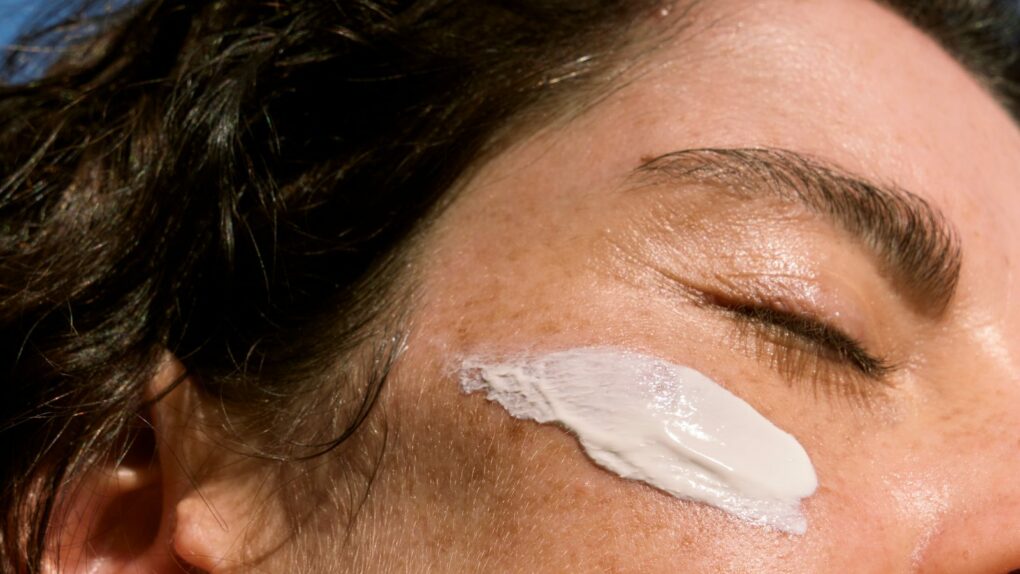
It’s not just a minor side note either. A 2025 review published in the Journal of Exposure Science & Environmental Epidemiology looked specifically at benzophenone-based UV filters – common chemical ingredients like oxybenzone (BP-3) found in many sunscreens – and found they can interfere with hormone systems, affecting everything from testosterone levels to thyroid function.
The good news? You don’t have to choose between sun protection and avoiding these chemicals. Mineral sunscreens, made with zinc oxide or titanium dioxide, sit on top of the skin as a physical barrier rather than being absorbed into it, and aren’t implicated in this research. If you want to avoid the ingredients this study raises concerns about, a quick scan of the level for oxybenzone, octinoxate or homosalate will tell you what you’re working with.
As always with sun protection, we’re not saying skip sunscreen – we’re saying choose it wisely, especially for daily and prolonged exposure.
Jacobson further challenges the current guidelines in an Outside Magazine investigation titled “Is Sunscreen the new margarine?”. It’s worth a read.
So, how can we reap the benefits while avoiding the dangers? And how much sunshine do we really need?
The health benefits of sunlight go way beyond vitamin D
Sunlight is about a whole lot more than just helping us make vitamin D, which helps your body absorb calcium and phosphorus to build and maintain strong bones, teeth, and muscles.
It turns out the sun’s UVB radiation triggers hormone production in our skin and provides visible and invisible (infrared) wavelengths that interact with our biology in several important ways.
Dr Roger Seheult, an American physician specialising in internal, pulmonary, critical-care and sleep medicine, says sunlight on our skin makes Vitamin D and nitric oxide, which anchors circadian rhythms and uplifts mood. Meanwhile the infrared rays penetrate deep into tissues to boost mitochondrial energy and reduce inflammation.
So, we’re not going outside just to make vitamin D for healthy bones, muscles and immunity. The sun is doing a whole lot more good stuff for us if we get the right dose.
Too much UVB exposure increases the risk of skin cancer. Too little can make us sick.
So, we need to aim for a daily dose of sunlight, including early morning light in our eyes and infrared and UVB on our skin. This will help us thrive.
Sunlight and health
It turns out that UV exposure influences nitric-oxide pathways in the skin, which may contribute to blood-vessel relaxation and changes in blood pressure which is good for heart and cardiovascular health.
We also now know that sunlight is good for our mitochondria, the tiny energy-producing powerhouses inside our cells. Dr Seheult has been a strong voice in this emerging field, sharing his insights on immunity, infrared radiation, mitochondrial function and melatonin recently on the Huberman Lab podcast.
Sunlight and mood
This is where I see the benefits every day.
Take a group of Wild Women out on a trail and wild things happen.
Women who arrive tired, stressed and stuck in their heads start walking. They breathe deeply. They talk. They laugh. They feel the trees, ocean, sky and sunlight. Their nervous systems relax.
A wild woman once described it to me as feeling like someone had “switched me back on.” Others describe being overcome by calmness and tranquility, whilst others experience the elation of awe.
Sunlight and sleep
Sunlight is also one of the strongest signals for our circadian clock. Early morning light sets up your circadian rhythm for the day, increases your serotonin and puts you on the path to produce melatonin in time for sleep.
Getting bright natural light during the day helps reinforce the distinction between day and night, supporting alertness during the day and healthy sleep timing at night.
And that matters for cognition too.
Your brain needs the right light at the right time.
My favourite practice for office workers is simple: Have your morning coffee outside. Walk to lunch. Take meetings outdoors. Get your face into daylight. Just five to ten minutes will make a difference to your mood, arousal, appetite and sleep–wake regulation.
So how much sunlight do we need?
Here’s where we need to ditch the one-size-fits-all approach.
The right dose depends on your age, skin type, location, season, time of day, clothing and the UV Index.
People with naturally darker skin may require more UV exposure to produce the same health benefits.

What about children?
Children also need sunlight on their skin but in smaller regular doses. And sunburn must be prevented.
Babies and toddlers are particularly vulnerable to UV damage because their skin is thinner and more delicate. When the UV Index reaches 3 or above, use clothing, hats and shade to protect them.
What if you’re worried about melanoma?
Melanoma, the deadly type of skin cancer, accounts for 1 to 3 percent of new skin cancers. According to Dr Weller, outdoor workers have half the melanoma rate of indoor workers and tanned people have lower rates in general. “The risk factor for melanoma appears to be intermittent sunshine and sunburn, especially when you’re young,” says Weller. “But there’s evidence that long-term sun exposure associates with less melanoma.”
Meanwhile, Pelle Lindqvist, a senior research fellow in obstetrics and gynaecology at Sweden’s Karolinska Institute, tracked the sunbathing habits of nearly 30,000 women in Sweden over 20 years. The sun worshippers had significantly lower overall mortality rates. Over the 20 years of the study, sun avoiders were twice as likely to die as sun worshippers.
In a 2016 study published in the Journal of Internal Medicine, Lindqvist’s team summarised it like this: “Avoidance of sun exposure is a risk factor of a similar magnitude as smoking, in terms of life expectancy.”
Australia has one of the world’s highest rates of skin cancer and melanoma in the world because of our high UV radiation, fair skin and beach culture. Avoiding sunburn at all costs while aiming for frequent timed exposure is the best solution.
GET YOUR DAILY DOSE – Dr Roger Seheult’s Sun Rules
Morning Light (Eyes): Getting 1–20 minutes of light within the first hour of waking to anchor the circadian rhythm.
Infrared / Near-Infrared Light (Skin): Getting 15+ minutes of daily outdoor exposure (ideally when the UV Index is ≤ 5) to support mitochondrial ATP production and reduce inflammation.
Vitamin D Production (UVB): Midday exposure for 5+ minutes (11 AM–2 PM) timed specifically according to an individual’s skin type, location, season, age and ethnicity, to safely synthesize vitamin D without burning.
* Safety Rule: The goal is regular, safe exposure without ever getting sunburnt.
So, tomorrow, don’t just think about getting outside. Get outside.
Walk around the block before work. Take your coffee into the garden. Meet a friend for a hike. Take the kids to the park. Eat lunch outdoors.
Sunlight isn’t a miracle cure, but it is crucial for optimal health – provided we avoid sunburn.