

Scientists are finding microplastics in our bodies. Here’s what we know, what we don’t, and how to reduce your exposure without turning your life upside down.
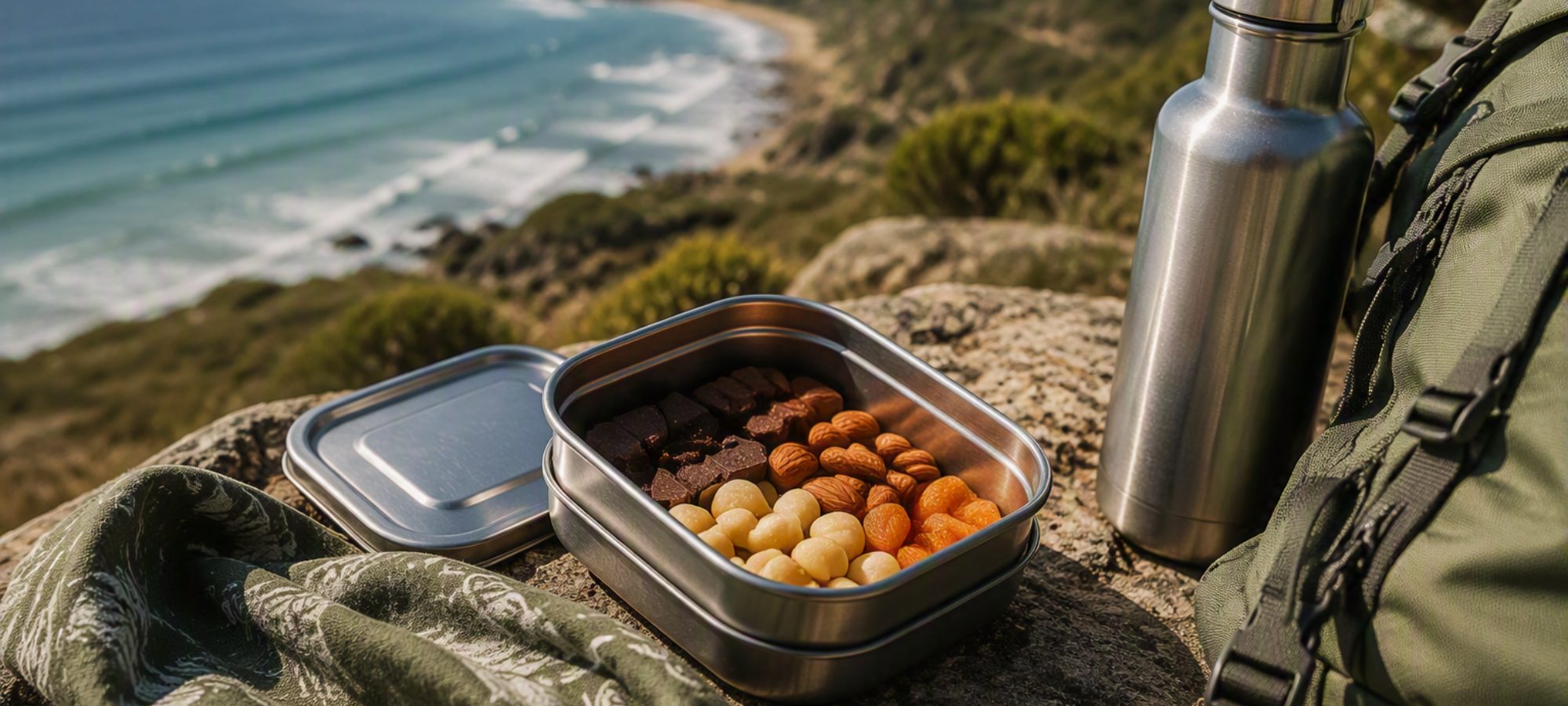
Trudging up a coastal trail in the midday sun, sweat dripping down my neck and lungs full of salty air, I found myself dreaming of the irresistible dark chocolate macadamias carefully stowed in the top of my pack.
But as I stopped at the top of the hill and pulled out my zip-lock bag full of heavenly treats, I discovered they had turned into a melted mass of chocolate macadamia cream.
Now I love love love chocolate macadamias on a long-distance hike, and normally I would have wolfed them down regardless. But this time I waivered.
Because as many of us now know, a warm, disintegrating zip-lock bag is most likely to have leeched plastic onto those delicious morsels. And there’s a possibility that plastic could end up in my brain and body.
Everyone’s talking about microplastics, because microplastics are everywhere. In our water, in our tea bags, in our takeaway food and our morning coffee cup. They’re in our food, in the bodies of our marine life, and in the air we breathe inside our homes and offices.
According to Stanford Medicine, “our bodies are polluted by tiny fragments of plastic that fail to break down in our earthly environment.”
You might have heard the quote that adults ingest 5 grams of plastic every week, which is the equivalent of a credit card. And while some scientists contest this claim, it’s hard to get that visual out of your mind.
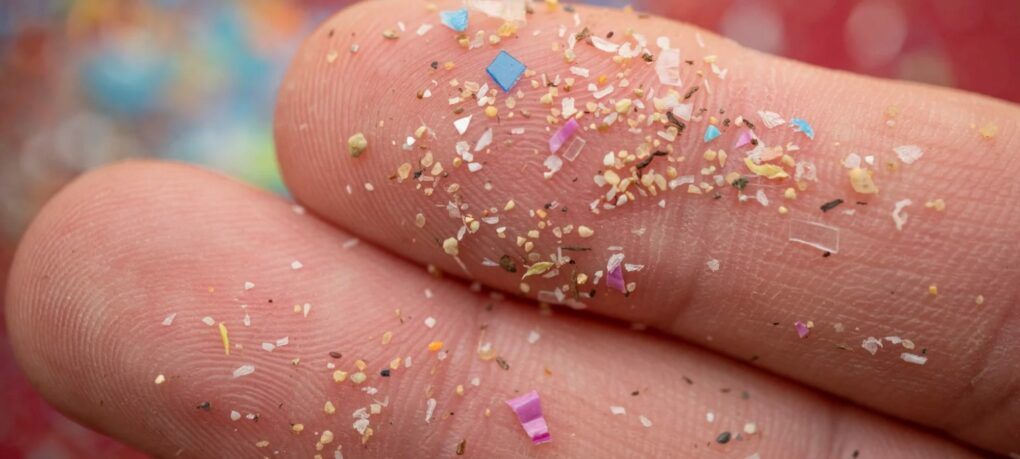
So, does it matter? Unfortunately, yes. Plastic exposure is being linked to respiratory diseases, heart disease, dementia, reproductive problems and hormone disruption.
In fact, Monash University researchers have recently linked plastics with the rise of cancer in people under 50. And if you’re a woman already juggling hormones, stress, sleep, metabolism and the mental load of life, the last thing you need is another silent disruptor.
The good news is, there’s lots we can do to reduce and minimise plastic in our lives. The biggest wins are your daily high-impact habits.
Stop heating food in plastic
Food + heat + plastic = breakdown.
Don’t ever:
- Microwave food in plastic containers
- Pour boiling water into plastic, including using a plastic coffee plunger or plastic kettle
- Drink from takeaway coffee cups (they might look like paper but they’re lined with plastic)
- Sip your hot coffee through a plastic lid
- Cook with plastic utensils
- Use tea bags (they might look like paper or silk but they’re usually coated in a thin layer of plastic)
Swap to glass, ceramic or stainless steel. Use a ceramic, china or glass mug for your morning cappuccino, make your tea the way your grandma used to, in a pot, and gradually replace all your plastic containers with glass.
Avoid bottled water
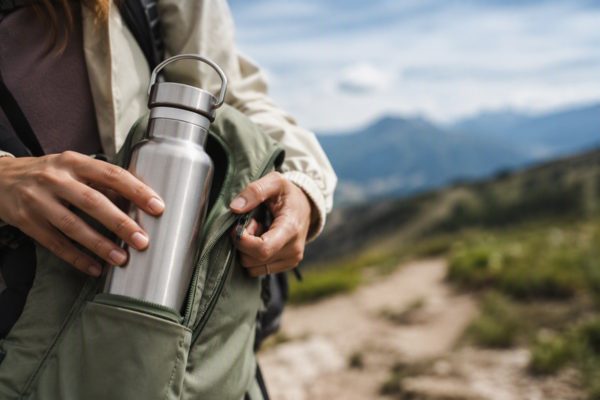
Here’s a wild stat: some studies have found hundreds of thousands of plastic particles per litre in bottled water. When you forget your (stainless steel) water bottle, buy glass bottled water. Install a quality water filter and make sure to maintain the filters. Boil if needed. Let it cool in glass.
Reduce dust in your house
Microplastics don’t just come from food… they also float in dust. Especially from synthetic fabrics. Your couch, carpet, activewear and bedding can all shed tiny fibres which ends up in the air you breathe.
To reduce the exposure:
- Vacuum with a HEPA filter
- Wet dust instead of dry
- Open windows when air quality is good
- Clean filters regularly
- Replace synthetics with natural fibres where possible
- Make sure your pillowcase and bedding is cotton, silk, linen or wool.
Ditch the plastic chopping board
With every slice, you’re shaving off microscopic plastic particles that are sticking to your dinner. Not ideal.
Switch to solid wood, ceramic, or other non-plastic chopping boards. Be mindful that you choose solid wood, as some ‘wooden’ chopping boards are glued together with plastic.
Prioritise plastic free wrapping
This one is difficult. Most meat, chicken and fish in the supermarket comes in plastic so if you can’t get it fresh from the butcher or fishmonger, wash it to reduce plastic exposure before cooking.
Many everyday foods such as sauces, milks, dressings, honey, cereals, grains, legumes, veggies and fruit now come in plastic bags or containers. It’s impossible to avoid them, so just do your best to reduce and decant into glass or ceramic once you get them home. The less time your food is wrapped in plastic, the better.
Cover your food with wax fabric, glass or ceramics, not plastic wrap
Sounds basic, right?
Plastic wrap can shed plastic particles into your food, especially if its heated. That’s the prevention stuff covered. A bit annoying, but we’ve got this.
But is it possible to detox the plastic already in our bodies? The answer is a little more complicated.
There’s emerging evidence (and I mean early-stage) that certain strategies may support the body’s ability to reduce absorption or enhance elimination, particularly in the gut.
Here’s what looks promising:
Eat more fibre
Always fibre. Vegetables. Legumes. Whole grains.
Fibre increases stool bulk and transit time, which can help carry unabsorbed particles out of the body. This is basic gut health practice, and may help remove some toxins, including microplastics.
Add fermented foods
Think kimchi, kefir, sauerkraut. Some early research suggests certain bacteria may bind microplastics in the gut, reducing absorption.
We’re not talking magic here, but a resilient gut lining matters.
Get moving
Go wild walking at every opportunity. Preferably in nature where the air is cleaner and you’ll inhale those fabulous phytoncides to keep everything flowing.
Physical activity also helps ensure regular bowel movements, which is great for elimination.
Drink water. Walk. Move. Sweat.

Your body can’t clear anything efficiently if it’s sluggish.
If you’re thinking “I can’t control everything, so why bother?” or, “I need to overhaul my entire life starting Monday,” don’t.
It’s ok. You don’t need perfection. You need awareness and consistency.
Don’t become obsessive.
Don’t live in fear.
And don’t empty out your entire kitchen tomorrow.
But do make some small, consistent changes that will add up over time.
The next time you buy tea, choose loose leaf. Put a china, ceramic or stainless steel mug in your handbag and another in car so they’re there when you need a coffee. When you next replace your tupperware, choose glass instead of plastic.
Changing habits is hard to do, but not impossible.
Avoid hot plastic.
Filter your water.
Clean your air.
Eat real food.
Move your body.
Repeat. Repeat. Repeat.
Because this isn’t about eliminating every microplastic.
It’s about reducing the load. Supporting your body. Reclaiming agency.