

Every woman I know is confused about what to eat.
I know it’s always been confusing, from the low-fat 80s to the high-fat naughties, but nowadays the conflicting advice really is everywhere.
One influencer praises keto while another boasts the benefits of veganism. Your doctor tells you to swap butter for Nuttlex cos they’re worried about your cholesterol, but you heard on a podcast that seed oils are really, really bad for you. Your friend warns that your oat latte is playing havoc with your blood sugar, but cow’s milk upsets your tummy and almond tastes like crap. You’ve heard cottage cheese can boost your protein, but then you read somewhere that they don’t make it right anymore, or something, and you have to get it from some specialty shop and that’s just way too hard.
If you’re feeling overwhelmed by the constant, contradictory, and guilt-inducing diet advice, you are not alone.
It sometimes seems like the more we learn, the harder it becomes.
So, what the f**k do you eat?
The answer is simple, but it’s also complicated.
The top-line, takeaway message: if you want good health and fitness, you need to be guided by nature.
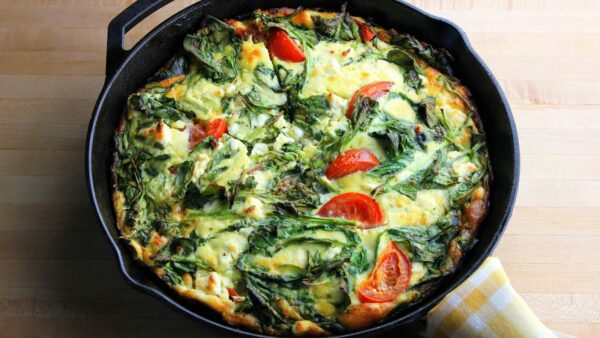
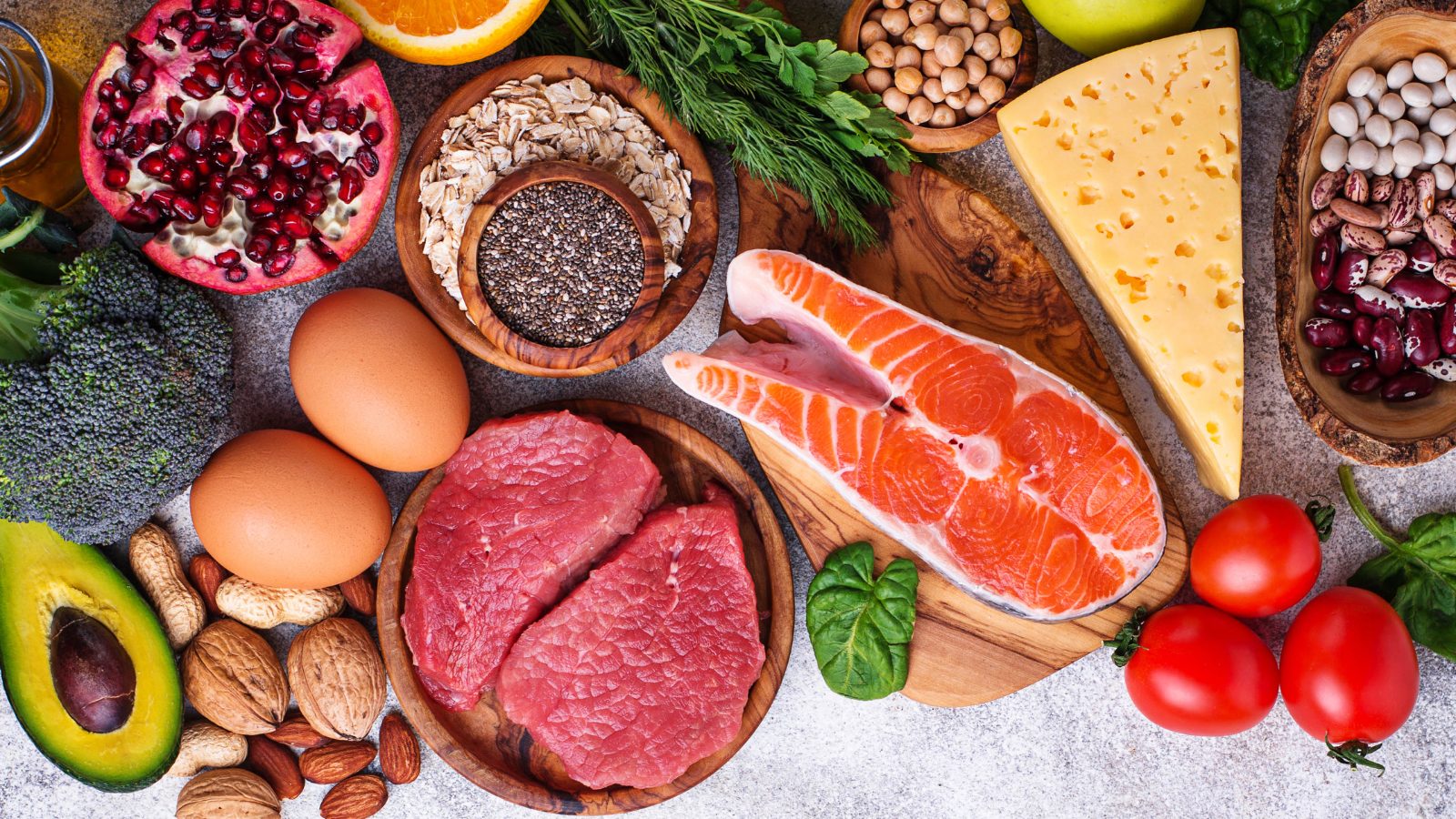
This means eating a variety of natural, home cooked foods, grown in nutrient rich soil, free of pesticides and man-made toxins.
You need fine food made by mother nature and avoid food made by man.
You can choose from Mediterranean, Okinawan, Vegan, Vegetarian, Keto, Paleo, Carnivore, pollo-pescatarian, high protein, high fiber, DASH, FODMAP, or a mixture of all of the above, as long as its real food.
Michael Pollen famously said back in 2007: “Eat food. Not too much. Mostly plants.”
I say, “Eat real food. Not too much. Made by nature.”
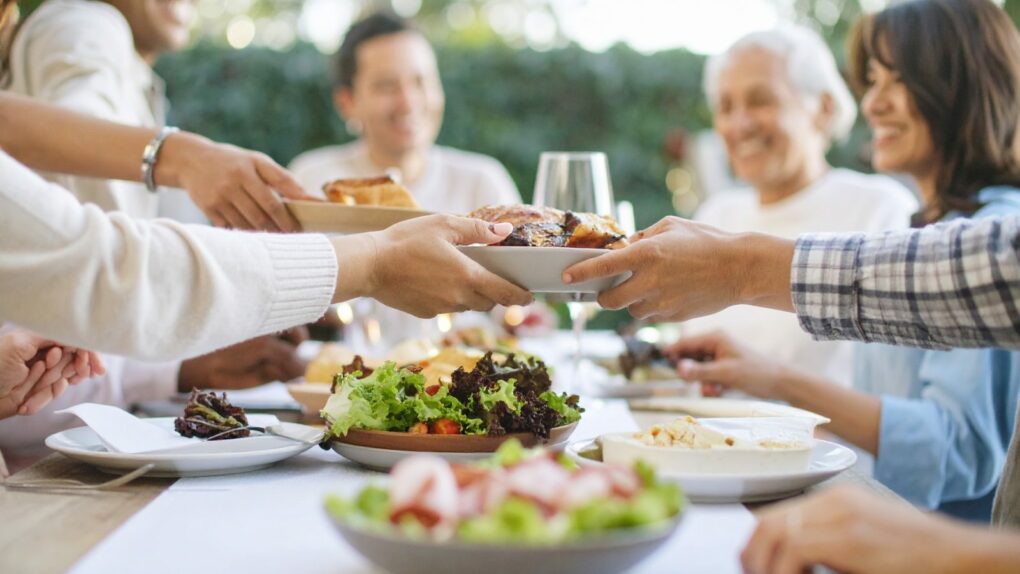
The problem many women have is they’re not eating real food. They’re reaching for ultra-processed food marketed as nutritious, high protein, low sugar and gut healthy.
These foods include but are not limited to; protein bars, savoury snacks like veggie chips, white plastic bread in plastic, many plant-based milks, ready-to-eat meals, daily health powders such as collagen and clean greens, some kombucha, cheese, granola and probiotics and of course ultra-processed meat, which was declared a carcinogen by the World Health Organisation years ago, but continues to be a top seller.
Bloody hell, even peanut butter is now processed with sugar, corn syrup, seed oil and trans fats.
Many of us have tried to replace low-fat, high-sugar diets with healthier alternatives, but end up on low-nutrient, high-chemical diets. Then they wonder why we can’t stop cravings, build muscle, fight fatigue, feel joyful or get a good night’s sleep.
The thing is, it’s not just what’s IN our food, it’s HOW it’s made. Heating a plant or animal to 250 degrees Celsius kills all the goodness and can make it toxic over time. The occasional taste of toxin is ok, but a daily dose can be deadly.
The good news is, once you replace processed food with nature’s food, you’ll train your tummy – and your palate – back to health, and you’ll stop wanting to empty a whole packet of Tim Tams in one sitting.
Here’s how to do it:
Step 1: Quit ultra-processed food.
Industrial food is bad for you. Full stop, the end.
Ultra-Processed foods are masters of disguise. Even so called “healthy” processed foods are often laced with genetically modified fillers, lab-made thickeners, stabilisers, sugar-mimicking-mixes, emulsifiers, additives and preservatives, not to mention they’re chemically designed to be addictive. Actually.
Highly sophisticated techniques are used to delight you with maximum “umami” in every mouthful.
These fabulously profitable products are designed to outlive us, as you’ll discover if your toddler loses a cheeseburger under the back seat of the car and you find it decades later, looking identical to when you pulled it out of the packet. Not a molecule of mould.
Now that’s sustainable!!
But most of the ingredients in these products are unstable, inflammatory, gut damaging, hormone disrupting, addictive and, over time, pathogenic.
And many contain sugar, (often by another name) and sugar-like-substances.
In processed food, the term sugar includes more than just the no-nutrient bleached white stuff we used to put in our coffee. It includes things that spikes your blood sugar and insulin without giving you nutrients – such as maltitol, high fructose corn syrup, coconut sugar and maltodextrin (which is 4 times sugarier than sugar), as well as soft drink, lollies, bleached bread, biscuits, fruit juice and processed white pasta.
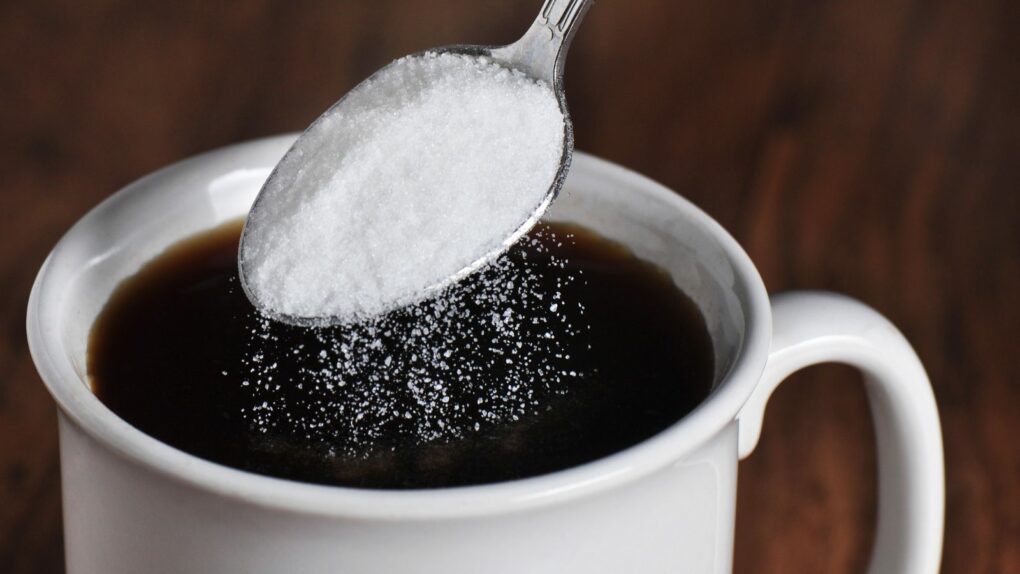
Sugar substitutes such as aspartame and saccharin, can also confuse your appetite, crash your mood, disrupt your gut, create cravings and cause inflammation. (For more on this follow the Glucose Goddess.)
This doesn’t mean we can’t enjoy dessert.
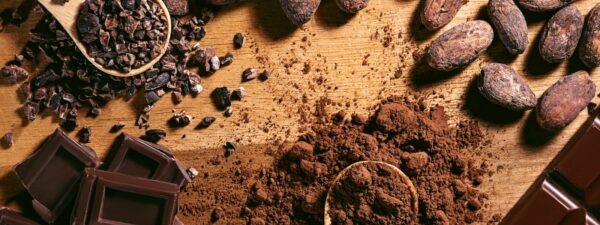
There’s lots of healthy ways to satisfy our dopamine desires with nutritious options such as raw honey, real maple syrup, organic rapadura sugar and 85% dark chocolate. You’ll still get the bliss without the slump.
And if you’re craving sweet, swap that muesli bar for a kiwifruit, apple and peanut butter, 85% dark chocolate and organic goji berries, blueberries and roast walnuts. You’ll get a body boost packed with goodness. Your kids will love it too!
My top tips for reducing processed foods:
- Analyse the ingredients list and the nutritional information on ALL packaged food. If it’s too small to read, which is usually is, take a photo on your phone and enlarge it.
- If you don’t recognise an ingredient, can’t pronounce it, or wouldn’t find it in your own kitchen, it doesn’t belong in your body.
- If it says “natural flavours” don’t buy it… it can legally contain over 100 hidden components including petroleum in the form of solvents, emulsifiers and preservatives.
- Always check labels of “gut” health foods because some are industrially produced. For example, some brands of yogurt and kombucha are devoid of LIVE bacteria. Make sure the ingredients list says ‘live cultures’.
- Look at the nutritional information and hone in on number of grams of per 100 grams so you can assess the percentage of macros in each product. If it says 70 grams of sugar per 100 grams of chocolate, that means the chocolate bar is 70% sugar (for reference, 85% Lindt, my preferred choice, is 3% sugar).
Step 2: Load up on the good stuff
Once you’ve got rid of the bad stuff, you need to add in more of the good stuff.
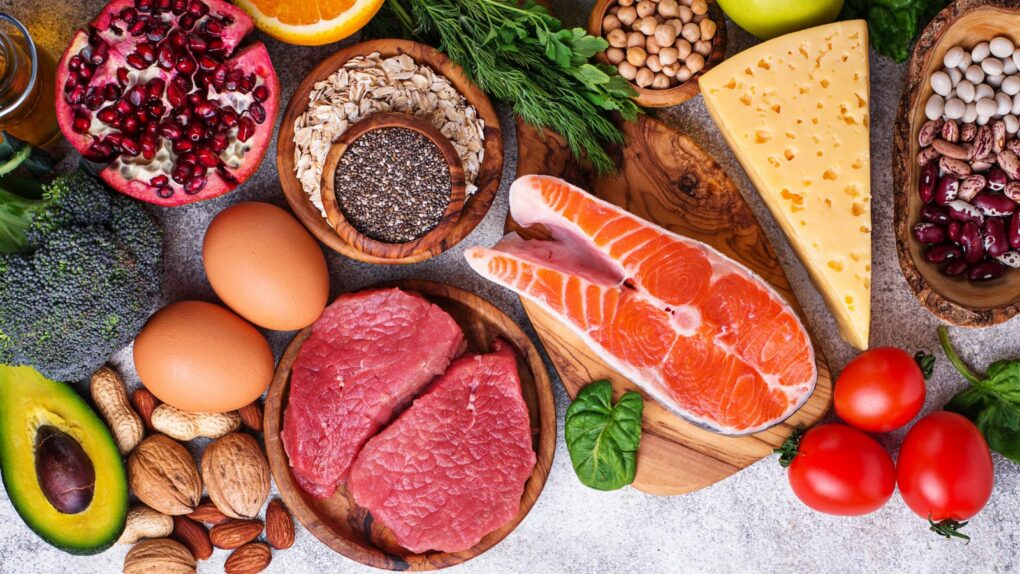
- Where possible, prioritise organic, locally grown fruit and veggies, grass-fed meat, pasture-raised chicken, wild or responsibly farmed fish, and organic dairy for nutrient rich, less toxic options.
- Watch out for industrially processed grains and legumes because they are often sprayed with pesticides and glyphosate. Go organic, biodynamic and home grown if possible.
- Soak all fresh fruit and veggies in cold water with a teaspoon of bicarbonate of soda for 2 minutes to help reduce surface pesticide residues. It’s simple, cheap, and effective.
- Feed your gut, as well as your tastebuds, with pro and pre-biotic foods. Probiotics are the health promoting foods containing the living good gut bacteria themselves, like fermented foods (yogurt, kimchi, kefir) and prebiotics are the foods that feed your good gut bacteria (garlic, onions, whole grains).
Step 3: Cook at home
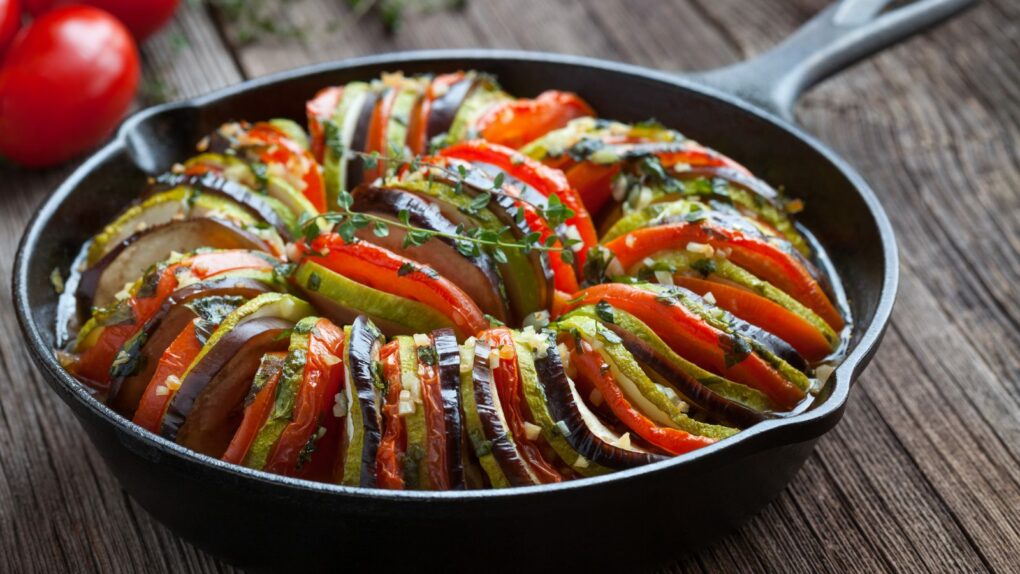
Aim to eat home-cooked food at least 80% of the time. Not perfection, just consistency.
Step 4: Listen to your own body
The goal is to learn what your body needs. To tap into her feedback and intuition. Trial nourishing food patterns and monitor your energy, mood, digestion, skin, hair and cycle health. Eat until you’re 80% full. The right diet is the one that makes you feel vibrant, clear-headed, energised and strong.
The Bottom Line
Eating well isn’t a trend – it’s a return. Back to nature. Back to instinct. Back to feminine power. Back to kitchens brimming with love and meals that truly nourish.
Choose ingredients intelligently, shop locally, cook daily, and remember: your body is built to thrive when you feed her like nature intended.
Nature wins. Every time.
Kick-arse health doesn’t come from a packet.
She comes from mother nature.